



CBS News—Missed Warning Signs in Santa Barbara
Criminologist Jeffrey Butts says the system is flawed. “The problem is that law enforcement people should not be asked to do that — to screen people and to assess whether they pose a threat to themselves or others. That should be done by a clinician of some kind.” Continue reading CBS News—Missed Warning Signs in Santa Barbara

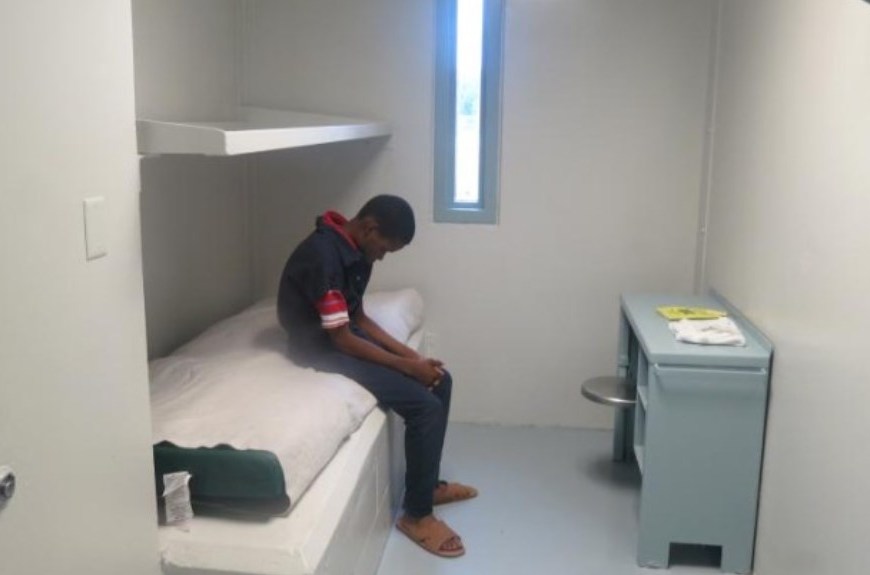
JJIE—Scared Straight Programs Remain Popular Among Parents
Scared straight programs are also fall in line with “tough on crime” mentality in the justice system, said Jeffrey Butts, director of research and evaluation at John Jay College of Criminal Justice and expert on criminal behavior. “It’s a strong thing in America that we believe that being tough on people, punishing people, coercing them – basically forcing them to behave the way we want them to behave – it will somehow work,” he said. Continue reading JJIE—Scared Straight Programs Remain Popular Among Parents

Positive Youth Justice: A Model to Support Youth
We ask youth justice systems to protect the public by preventing and reducing law violations by young people. To accomplish this mission, every component of youth justice should pursue sensible strategies. Policies and practices should be conceptually sound and consistent with what we know about adolescent behavior and the true origins of delinquency. Continue reading Positive Youth Justice: A Model to Support Youth

Delays in Youth Justice
The study draws on data from the National Juvenile Court Data Archive and from case studies of three juvenile courts in the Midwestern U.S. that successfully managed delays in processing youth through the juvenile justice system. The three sites employed different, tailored approaches to addressing delays. A commitment to case management and routine and shared communication were themes the sites had in common. Continue reading Delays in Youth Justice
 JeffreyButts.net