





Congressional Quarterly Researcher—Reforming Juvenile Justice
… Americans have “a deep cultural instinct to punish as a way of changing behavior,” says Jeffrey Butts, director of the Research and Evaluation Center at the John Jay College of Criminal Justice in New York. “And most people making decisions about policy are thinking about someone else’s kid,” not their own. Continue reading Congressional Quarterly Researcher—Reforming Juvenile Justice


Aiming Your Research for Effect
All researchers want their studies to have an impact on policy and practice, but few do. It’s often the researcher’s own fault — at least in part. Here are some basic strategies for increasing the chances that your research will have an effect. Continue reading Aiming Your Research for Effect

The Morning Call—As Coplay Considers Curfew, Experts Question Effectiveness
But Jeffrey A. Butts, director of the Research & Evaluation Center at John Jay College of Criminal Justice, said data has shown that the more contact a young person has with the criminal justice system, the more disadvantages they experience in life — even compared with a person with a similar chaotic life. While the ideal vision of the system is one of rehabilitation and correction, Butts said that’s not how much of the juvenile system works. Juveniles who get a record could head farther down a path of trouble and become increasingly leery and defiant of law enforcement, Butts said. Non-punitive intervention is best, he said. Continue reading The Morning Call—As Coplay Considers Curfew, Experts Question Effectiveness
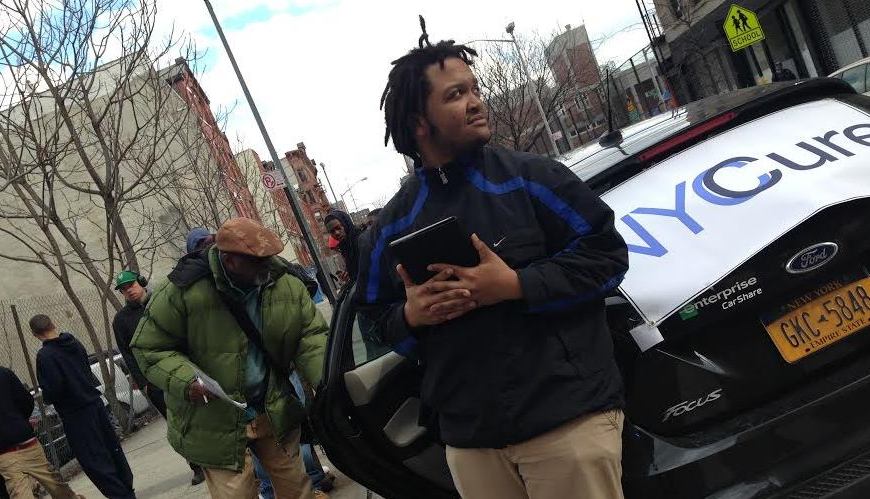
Respondent-Driven Sampling: Evaluating the Effects of the Cure Violence Model with Neighborhood Surveys
The John Jay College evaluation of Cure Violence includes methods for estimating a critical intermediate stage in the program’s theory of change. The study measures changes in violence-related attitudes and values of young men (age 18-30) in at-risk neighborhoods and compares areas with and without Cure Violence programs. This requires the study to conduct surveys among a population of hard-to-reach and hard-to-recruit research subjects, which is when “respondent-driven sampling” is most useful. Continue reading Respondent-Driven Sampling: Evaluating the Effects of the Cure Violence Model with Neighborhood Surveys
 JeffreyButts.net