



Wall Street Journal—‘Interrupters’ Help Reduce Violence in New York City
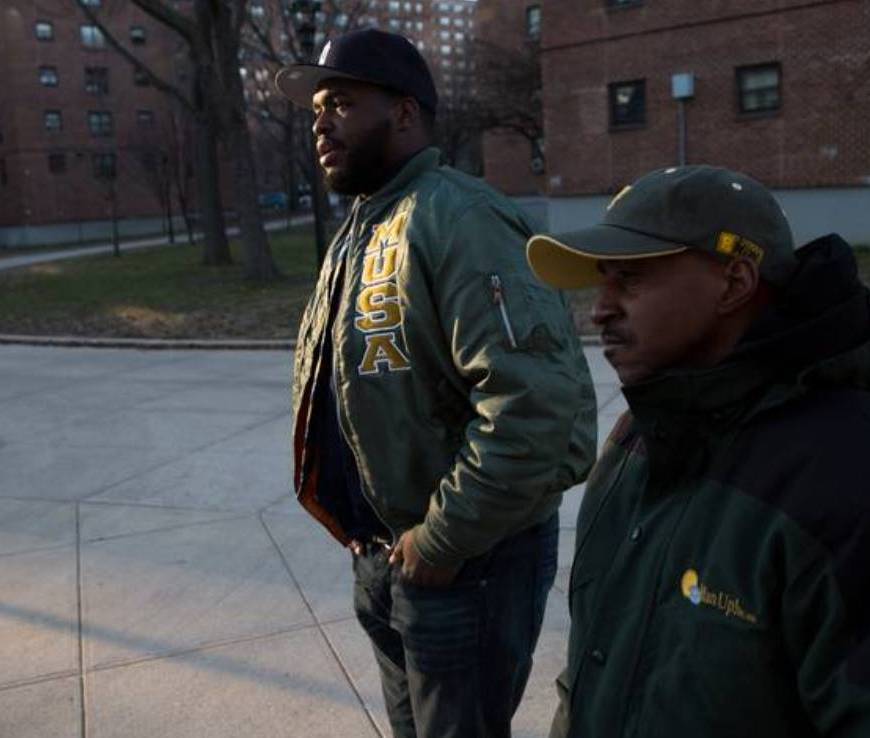
They have prior criminal records but now aim to resolve neighborhood conflicts before they turn violent. They walk neighborhood streets on a daily basis and use their connections to resolve disputes before they escalate, requiring the police. These “violence interrupters” and their tactics helped to drive down crime in East New York and the South Bronx, two neighborhoods analyzed in a John Jay College of Criminal Justice report. Continue reading Wall Street Journal—‘Interrupters’ Help Reduce Violence in New York City


Repairing Trust
As part of an ongoing evaluation of the Cure Violence strategy, researchers found the program was potentially associated with less support for the use of violence and greater confidence in police. In a series of neighborhood surveys, young men in areas with Cure Violence programs were less likely to use violence to settle personal disputes and more likely to rely on law enforcement. Continue reading Repairing Trust

The Effects of Cure Violence in the South Bronx and East New York, Brooklyn
Promising evidence that the public health approach to violence reduction championed by Cure Violence may be capable of creating safe and healthy communities.
“A recent evaluation of the NYC program is perhaps most convincing. It was a very sophisticated analysis, done by experienced researchers using police data, hospital data, interviews and surveys. It showed not only reductions in shootings by up to 63 percent, and a change in norms (towards rejecting the use of violence). It also showed that the program resulted in an increase in confidence in police. We’ve heard from several people that this study convinced them even more that the Cure Violence approach really worked.” – Gary Slutkin quoted in the Washington Post – June 18, 2018. Continue reading The Effects of Cure Violence in the South Bronx and East New York, Brooklyn

Estimating Causal Relationships Among Youth Justice Policies and Rates of Juvenile Confinement
Researchers used state-level data on youth justice policies and practices to explore the association between state policy environments and recent changes in the use of residential placements for adjudicated youth (i.e., confinement). The study assigned a score to each of the 50 states based on the extent to which their youth justice policy environments could be considered “progressive” as opposed to punitive or regressive. Continue reading Estimating Causal Relationships Among Youth Justice Policies and Rates of Juvenile Confinement
 JeffreyButts.net