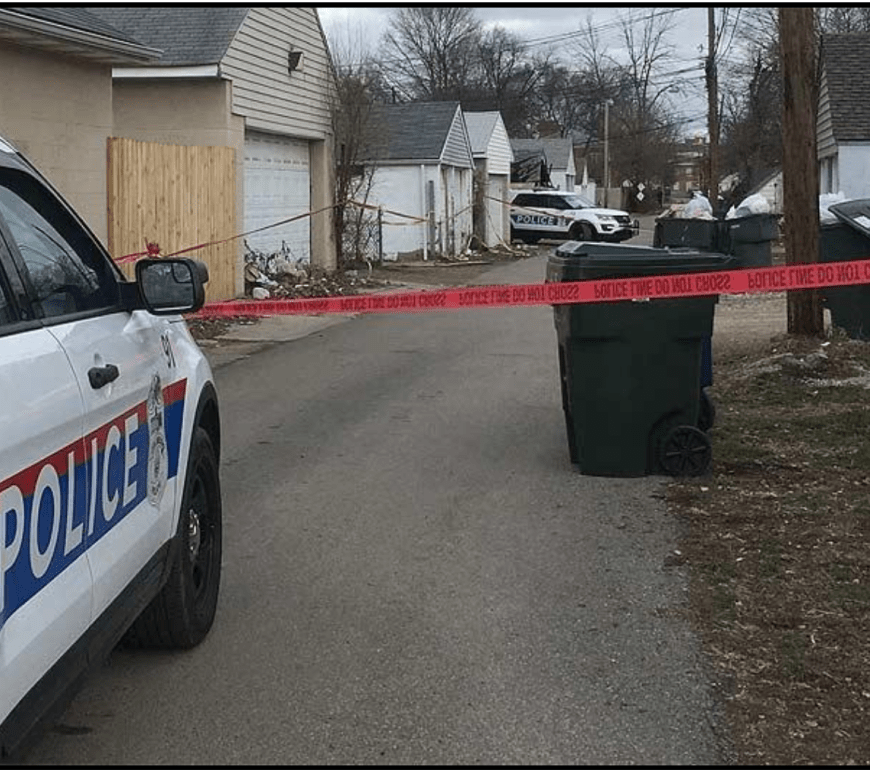
Columbus Dispatch—Why Don’t Local, State and Federal Crime Numbers Add Up?

Jeffrey Butts, director of the Research and Evaluation Center at John Jay College of Criminal Justice in New York, said that in some ways, law enforcement never has been best equipped for crunching the numbers. Go to a police department and ask to be taken to the unit that does the crime reporting. Sometimes, it’s civilians with advanced degrees and computers, he said. “Other places, you walk in and it’s full of uniforms,” he said, pointing out that some departments view crime reporting as a desk job for officers who no longer want to work patrol. At a department such as the New York City Police Department, there are civilian research analysts with doctorates. Continue reading Columbus Dispatch—Why Don’t Local, State and Federal Crime Numbers Add Up?

WNYC — Waiting for Violence to Break Out

“We don’t divulge matters that we work hard on to the police, and the police know that about us,” Mitchell said. “We’re not sharing information that may be helpful in some sort of investigation. That’s not or role.” That code of silence lead to the demise of a Cure Violence group in Chicago, according to Jeffrey Butts, director of the research and evaluation center at John Jay College. “The precinct can feel aggrieved to find out this whole episode of violence that just happened was known, that people knew that it was about to happen and no one told the police,” Butts said. Continue reading WNYC — Waiting for Violence to Break Out

Violent Youth Crime Plummets to a 30-year Low

Violent crime arrests involving under-18 youth dropped considerably since 2008. The violent youth  arrest rate peaked in 1994, before falling through 2004. Violent arrests began to grow after 2004, however, reaching a rate of nearly 300 per 100,000 10-17 year-olds between 2006 and 2008. Between 2008 and 2011, the violent youth arrest rate fell sharply once again, plunging from approximately 300 to 200 arrests per 100,000 youth. In 2011, the violent crime arrest rate was 30 percent lower than it had been just three years earlier in 2008. Continue reading Violent Youth Crime Plummets to a 30-year Low

Carta Capital—It was not so Different

In the United States, the increase in consumption of crack after 1984 occurred along with a noticeable increase in violent crime in urban centers as New York, Los Angeles, Washington, Philadelphia, Baltimore, San Francisco, Boston and Seattle. This experience generates a certain concern in the American media: will the exportation of the phenomenon to the biggest Latin American economy, three decades later, increase the risks of security for tourists attending the 2014 World Cup and the 2016 Olympics? Continue reading Carta Capital—It was not so Different