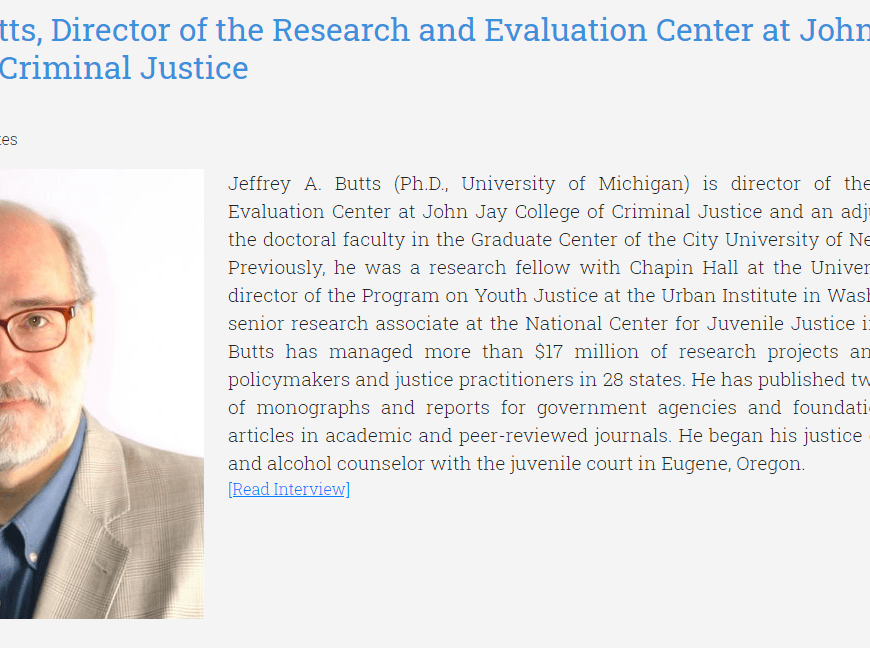
Interview with the International Juvenile Justice Observatory

The main challenge is that juvenile justice policies are not based on a simple, rational assessment of costs and effectiveness, or even on the basic concept of justice. Policy choices are affected by fear and emotion, as well as political/electoral competition, economic self-interest of governments and service providers, and the enduring battle between social classes as to who defines the origins and solutions to social problems. Continue reading Interview with the International Juvenile Justice Observatory

Strengthening Youth Justice Practices with Developmental Knowledge and Principles

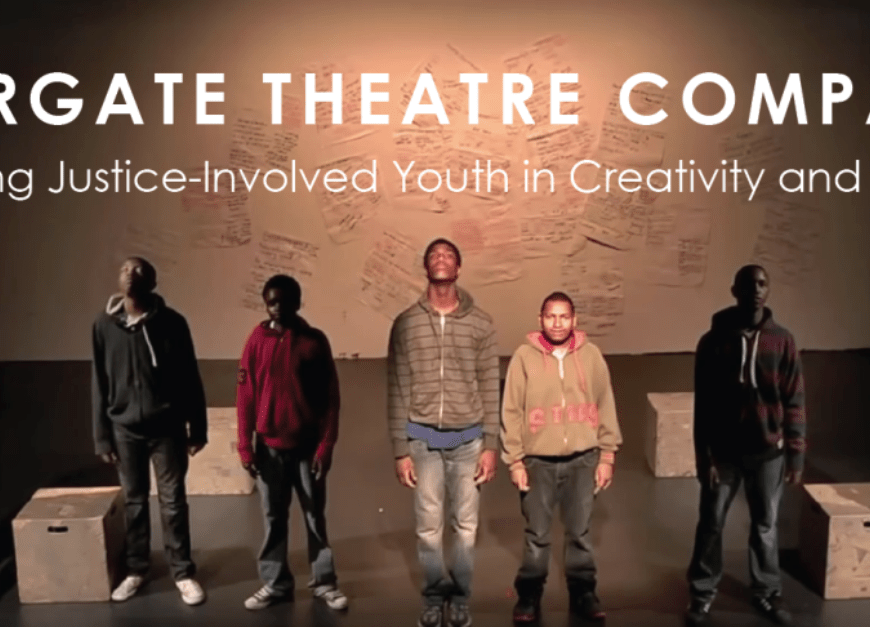
Youth justice is a challenging environment in which to implement a rigorous PYD approach. The insights and lessons of developmental science do not translate easily into the day-to-day tasks of youth justice systems, which often focus on control and compliance. Youth justice practitioners require assistance as they apply developmental principles. The Positive Youth Justice (PYJ) Model was developed to meet this challenge. It provides a simple framework for designing PYD-compatible interventions for justice-involved young people and for supporting youth justice reforms. Continue reading Strengthening Youth Justice Practices with Developmental Knowledge and Principles