


ESPN — Over the Line
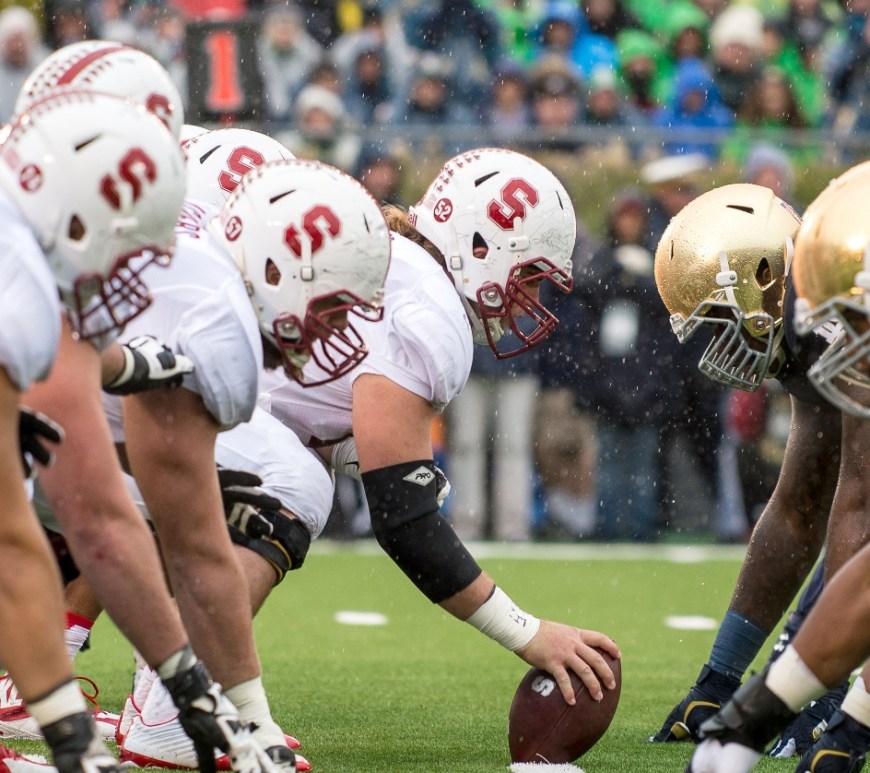
Jeffrey Butts, director of the Research and Evaluation Center at the John Jay College of Criminal Justice in New York, reviewed Outside the Lines’ methodology and said it was a valid way to measure differences in prosecution. He said it would have been helpful to include only students in the subset of 18- to 24-year-old males, but that information was not available for each case. … As to the findings showing the difference in the percentage of athlete cases compared with 18- to 24-year-old males in which no charges were filed or they were dropped or dismissed, Butts said: “In the field of justice, that could be a substantial difference. … It’s definitely a reason to look more deeply into it to find the reasons why.” Continue reading ESPN — Over the Line


CBS News—Did N.Y. Prison Worker Help Two Murderers Escape?
I was interviewed by CBS for a story about a prison escape and they quoted one of the dumbest things I said. Continue reading CBS News—Did N.Y. Prison Worker Help Two Murderers Escape?

Racial Disparities in Juvenile Drug Arrests
The enforcement of U.S. drug laws during the 1980s and 1990s had disparate impacts on black youth despite the fact that illegal drug use in the U.S. does not differ significantly by race. Even adolescent involvement in drug sales does not vary significantly by race. Studies find that black youth are only slightly more likely than white youth (6% vs. 5%) to be involved in any form of drug selling. According to the most recent national data available from the U.S. Department of Justice, however, drug arrest rates increased far more among black youth than among white youth in recent decades. Continue reading Racial Disparities in Juvenile Drug Arrests
Perceptions of Violence
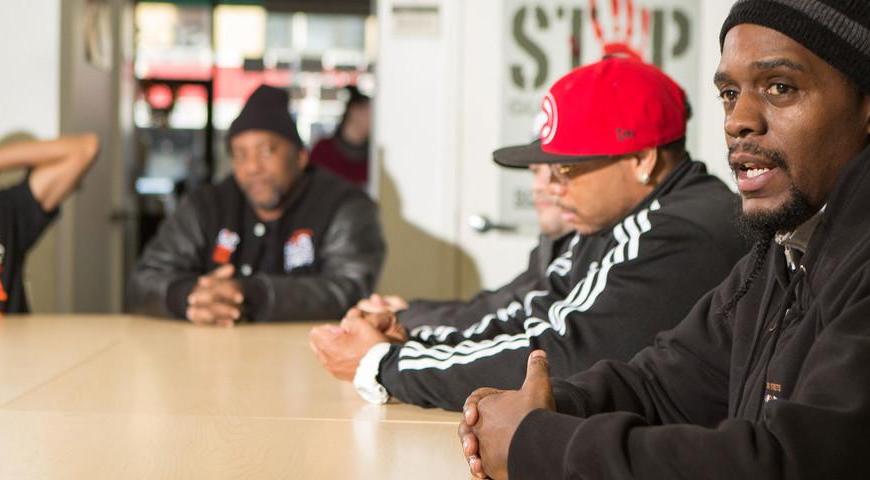
The Research and Evaluation Center at John Jay College is assessing the implementation and effects of Cure Violence programs in New York City. One element in the project involves in-person surveys with young men (ages 18-30) in many of the neighborhoods implementing the strategy. This report contains results from the first four neighborhoods involved in the study. Continue reading Perceptions of Violence
 JeffreyButts.net