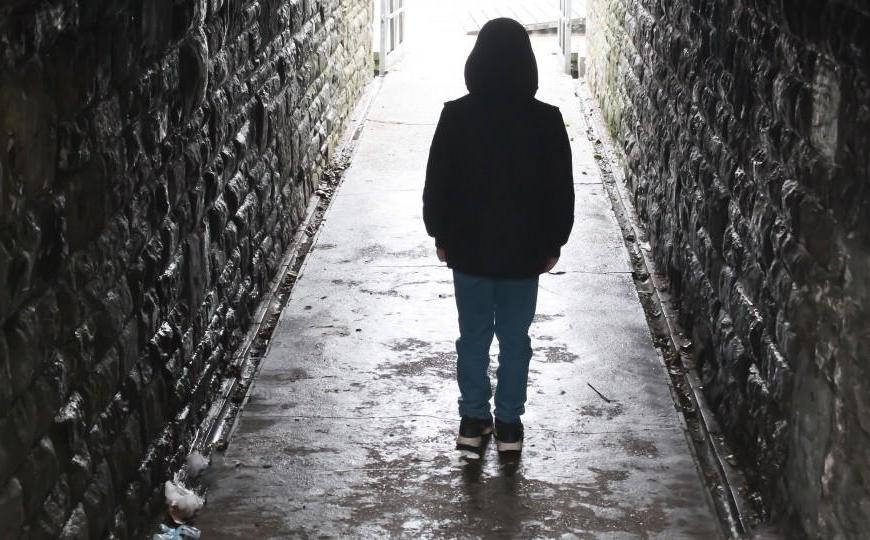
New York Nonprofit Media—Close to Home: A Juvenile Justice Reform Tries to Rebound from Early Troubles


“There’s never a good reason to send kids away,” said Dr. Jeffrey A. Butts, director of the Research and Evaluation Center at John Jay College of Criminal Justice. “It could be about convenience, fear, politics or a way of adding jobs to outlying areas where there aren’t enough jobs. But it’s never about public safety.” Continue reading New York Nonprofit Media—Close to Home: A Juvenile Justice Reform Tries to Rebound from Early Troubles

The Marshall Project—Gangs of New York

Jeffrey Butts, a director of research at John Jay College of Criminal Justice, co-wrote an ongoing analysis of Cure Violence’s presence in high-crime New York City neighborhoods and found that homicide rates are on a downward trend in three areas that employed the interrupters in Brooklyn and in northern Manhattan. “They can form relationships in high-violence communities that police, social workers and ministers simply can’t,” Butts said. Continue reading The Marshall Project—Gangs of New York

Chronicle of Social Change—Positive Youth Justice: Curbing Crime, Building Assets

The model is most succinctly explained in a recent brief written by Dr. Jeffrey Butts, a noted juvenile justice researcher at the John Jay College of Criminal Justice and a leading proponent of PYJ: “The PYJ Model suggests that youth justice systems should focus on youths’ acquisition of two core developmental assets: learning/doing and attaching/belonging. These two assets should be acquired and experienced by every youth within six distinct domains: work, education, relationships, community, health and creativity.” Continue reading Chronicle of Social Change—Positive Youth Justice: Curbing Crime, Building Assets