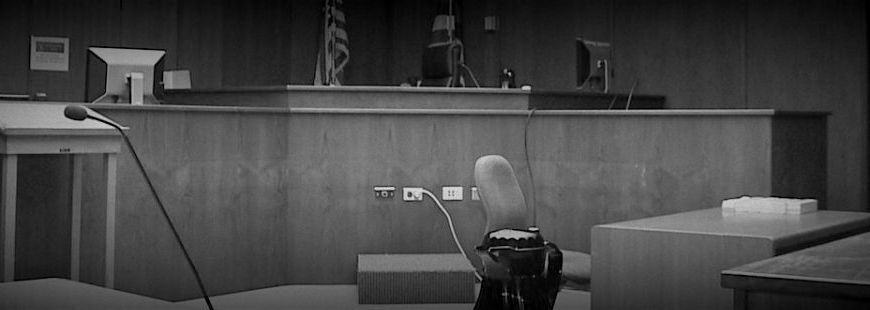
Can we do Without Juvenile Justice?
A compelling argument can be made for abolishing the juvenile justice system, or more specifically, abolishing delinquency, the idea that young offenders aren’t fully responsible for their behavior and should be handled in a separate court system. Abolishing delinquency is not the same thing as abolishing the entire juvenile court. Even if lawmakers ended the juvenile court’s jurisdiction over criminal law violations, the juvenile court could continue to handle other types of cases (e.g., abused and neglected children, truants, curfew violations). In fact, youthful offenders could continue to be handled by the same judges in the same courtrooms that handle them now, but the courts would operate as youth divisions of a criminal court using criminal procedures under the criminal code. Continue reading Can we do Without Juvenile Justice?



 JeffreyButts.net