Violent Crime in 100 U.S. Cities

Recent increases in violent crime are small compared with the scale of violence seen in recent decades. America’s long period of falling crime may have ended, but it is not accurate to characterize recent trends as a new wave of widespread violence or as the beginning of an irreversible trend. Most urban Americans still appear to be enjoying the benefits of the violent crime decline that occurred in the late 1990s and early 2000s. Continue reading Violent Crime in 100 U.S. Cities

Building on Strength

Practitioners are attempting to build juvenile justice interventions with strength-based, positive youth development principles. Previous researchers have not adequately documented how such reforms take place, let alone whether they produce effective results for youth, families, and communities. This study suggests that it is possible to implement these approaches in juvenile justice settings, but more research is needed to substantiate their effects. Continue reading Building on Strength

Arresting Children: Examining Recent Trends in Preteen Crime

This analysis shows that juvenile offenders today are not significantly younger than were juvenile offenders in the 1980s and 1990s. Although the rate and severity of juvenile crime has fluctuated in recent decades, especially before and after the dramatic wave of  youth violence that peaked in 1994, the behavior of preteen offenders generally follows the pattern exhibited by older youth. With few exceptions, the age profile of juvenile offenders has not changed substantially in the past 20 to 25 years. Continue reading Arresting Children: Examining Recent Trends in Preteen Crime

Understanding Racial and Ethnic Disparity in Child Welfare and Juvenile Justice

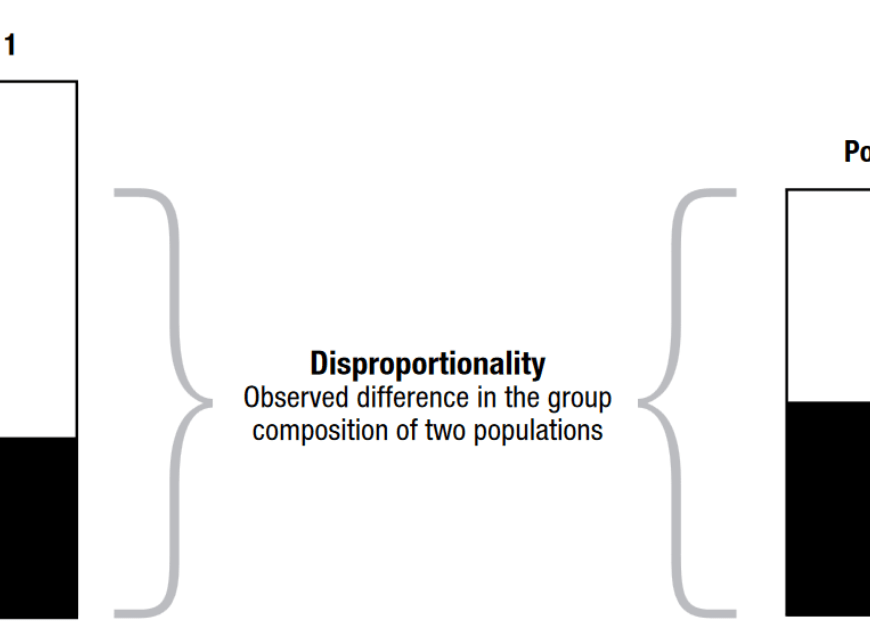
This paper aims to stimulate discussion within the child welfare and juvenile justice fields about the role of race and ethnicity in both systems. Over time,the nomenclature used to describe disproportionality and disparity has evolved, but it is not always clear how key concepts relate to one another, especially when the discussion involves both systems simultaneously. The paper starts by exploring the language used to describe the extent of racial and ethnic differences in the involvement of children in the two systems, and then offers a common language that is intended to clarify the meaning of the terms so that a more consistent conversation is possible. Continue reading Understanding Racial and Ethnic Disparity in Child Welfare and Juvenile Justice